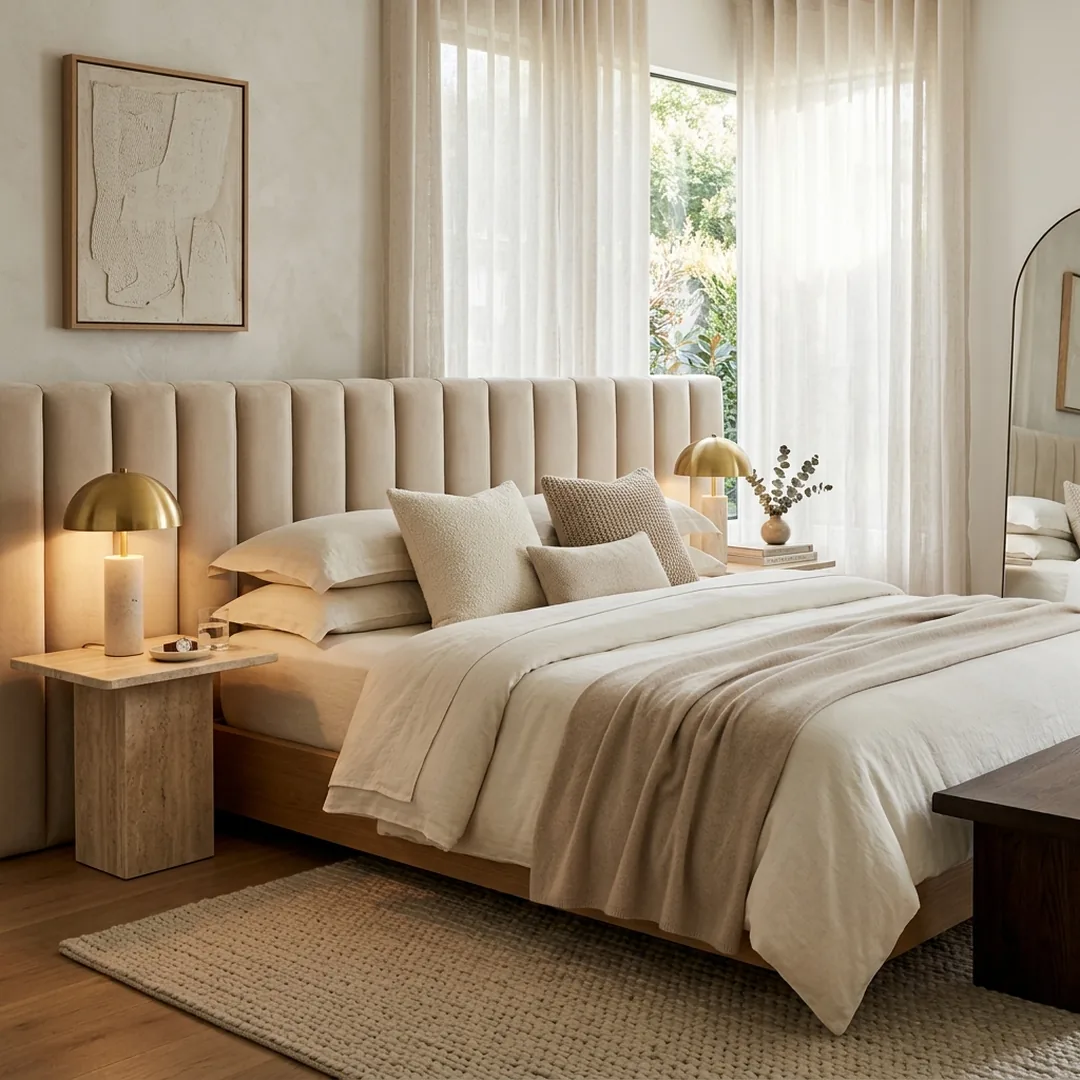
Ever walk into a hotel room and immediately feel a wave of calm wash over you? That feeling, that sense of curated comfort and quiet elegance, is exactly what a luxury bedroom aesthetic delivers. And the good news? You don't need a designer's budget or a mansion to pull it off.
Learning how to create a luxury bedroom aesthetic is really about understanding a handful of core principles: intentional color, layered textures, quality materials, and smart lighting. Whether you're starting from scratch or upgrading what you already have, this guide breaks it all down, step by step, tip by tip.
Let's turn your bedroom into the retreat you deserve.
Table of Contents
What Does a Luxury Bedroom Aesthetic Actually Mean?
Before you start shopping or painting, it helps to define what "luxury" means in the context of bedroom design. Luxury isn't about excess. It isn't about gold-plated everything or furniture with a five-figure price tag.
A truly luxurious bedroom aesthetic is about intention. It's a space where every element, from the thread count of your sheets to the warmth of your bedside lamp, has been chosen with care. It's a room that tells you to slow down the moment you step inside.
Think of it this way: luxury is how a space feels, not just how it looks.
Modern luxury bedroom design in 2026 leans into quiet sophistication, natural materials, calm color stories, layered textiles, and technology that serves comfort without stealing the spotlight.
How to Create a Luxury Bedroom Aesthetic: The 10 Essential Steps
1. Choose a Sophisticated Color Palette
Color is the foundation of any bedroom aesthetic, and in a luxury setting, your palette does the heavy lifting. The most timeless luxury bedrooms rely on a restrained, harmonious color story rather than loud, competing hues.
Best colors for a luxury bedroom:
- Soft neutrals: cream, ivory, warm white, beige, and taupe
- Earthy tones: camel, terracotta, sage green, and warm gray
- Deep anchors: navy, forest green, charcoal, or dusty plum
- Metallic accents: brushed gold, aged brass, or warm bronze
The classic approach is to choose one dominant neutral as your base (walls, bedding, large furniture), a secondary tone for layering (curtains, upholstery, area rug), and a metallic or jewel-toned accent used sparingly across smaller decorative pieces.
One designer trick worth stealing: use matte paint on your walls and a satin finish on trim and moldings. The subtle difference in sheen creates depth without adding visual noise.
2. Invest in Premium Bedding and Textiles
If there is a single place not to cut corners in a luxury bedroom, it's the bed. Your bed is the centerpiece, the first thing the eye lands on, and the thing your body experiences every single night.
What to look for in luxury bedding:
- Egyptian cotton sheets with a 400–600 thread count for softness and breathability
- Silk or sateen pillowcases for a naturally lustrous finish
- A quality duvet or comforter that can be layered with a coverlet for seasonal flexibility
- Velvet or cashmere throw blankets draped at the foot of the bed for texture and visual warmth
When it comes to layering your bed for that hotel-like look, a good formula is: fitted sheet → flat sheet → duvet or coverlet → 2–3 decorative pillows → 1 lumbar pillow. Add a folded throw at the foot and you've cracked the code.
Don't overlook your curtains, either. Floor-length drapes in linen, velvet, or silk instantly elevate a room. Hang them high, closer to the ceiling than the window frame, to make the ceilings feel taller and the space more grand.
3. Select a Statement Bed Frame and Headboard
In luxury bedroom interior design, the bed frame is more than furniture, it's architecture. The headboard in particular sets the entire visual tone of the room.
Popular luxury headboard styles:
- Upholstered tufted headboards in velvet or linen for a classic, high-end look
- Tall paneled headboards that extend toward the ceiling for dramatic effect
- Curved or arched headboards for a softness that balances bold color or dark walls
- Bespoke wall-to-wall headboards that span the entire width of the bed wall
When choosing your bed frame, proportion is everything. A taller headboard works best in rooms with high ceilings. A wide, low-profile platform bed works well in rooms where you want to emphasize space and calm.
If your budget is tight, consider reupholstering an existing headboard or mounting decorative wall panels behind the bed. The visual result can be nearly identical to a bespoke piece.
4. Layer Textures for Depth and Richness
Here's a design secret that professionals use constantly: texture is the shortcut to making a room feel expensive. Two rooms can have the exact same color palette, and the one with layered textures will always feel richer, warmer, and more considered.
In a luxury bedroom aesthetic, you want to combine:
- Heavy and light fabrics: velvet cushions alongside linen sheets
- Smooth and tactile surfaces: a lacquered nightstand beside a bouclé throw
- Natural and refined materials: a reclaimed wood accent wall paired with silk curtains
Think beyond the bed. An upholstered bench at the foot, a woven area rug over hardwood floors, a faux fur throw on a reading chair, each adds a layer of sensory richness that pulls the room together.
5. Create a Layered Lighting Scheme
Lighting might be the most underestimated element in bedroom design. The difference between a room that feels luxurious and one that just looks nice often comes down to how it's lit.
Luxury bedrooms never rely on a single overhead light source. Instead, they use a layered lighting approach with three types of light working together:
- Ambient lighting: a chandelier, flush mount, or cove lighting that fills the room with a warm glow
- Task lighting: bedside lamps or pendant lights for reading and functional use
- Accent lighting: LED strips behind a headboard, inside a wardrobe, or beneath a floating bed frame
Chandeliers add instant glamour and draw the eye upward, making ceilings feel taller. Sculptural pendant lights at the bedside replace traditional table lamps and free up nightstand surface area. Dimmer switches on every circuit are non-negotiable, they let you shift the mood of the room instantly.
One quick upgrade that costs almost nothing: swap cool, blue-toned bulbs for warm ones (2700K–3000K). That single change makes a dramatic difference in how relaxed and inviting a room feels.
6. Choose Elegant, Intentional Furniture
In a luxury bedroom, less is genuinely more. The goal isn't to fill every corner, it's to choose fewer pieces that are each beautiful, functional, and well-placed.
Key furniture pieces for a luxury bedroom aesthetic:
- A statement bed frame (as discussed above)
- Matching or complementary nightstands, consider mirrored, lacquered, or stone-topped options
- A low dresser or chest of drawers in a quality wood finish or lacquered surface
- A chaise lounge or upholstered reading chair in a corner, if space allows
- A vanity table with a well-lit mirror if you use your bedroom for grooming
Avoid cluttering the room with too many furniture pieces. Every item should earn its place. If a piece doesn't contribute to comfort, function, or beauty, it probably doesn't belong.
When selecting hardware, drawer pulls, wardrobe handles, lamp bases, lean toward brushed gold, aged brass, or matte black. These finishes have a weight and permanence that plastic or chrome simply can't replicate.
7. Design a Luxury Accent Wall
A thoughtfully designed accent wall can transform the entire character of a bedroom without requiring a full renovation. In luxury bedroom design, accent walls are used to introduce texture, architectural interest, or a dramatic color moment, all while keeping the rest of the room calm and balanced.
Luxury accent wall ideas:
- Wood slat panels: warm, organic, and versatile across modern and traditional styles
- Upholstered wall panels: fabric-wrapped panels behind the headboard create a soft, hotel-inspired look
- Venetian plaster: an ancient technique that creates a rich, mottled finish with incredible depth
- Decorative molding: panel molding in a traditional or contemporary profile adds architectural elegance
- Statement wallpaper: a subtle botanical, geometric, or tonal wallpaper behind the bed frames the room beautifully
The key is restraint. One strong wall is always more impactful than four competing ones. Let the accent wall do its job, and keep the surrounding walls calm.
8. Incorporate Natural Elements
Luxury and nature have always been close companions in interior design. Natural materials bring warmth, imperfection, and a sense of grounding that manufactured finishes simply can't replicate.
Ways to bring nature into a luxury bedroom:
- Wood: oak, walnut, or teak in flooring, furniture, or wall paneling
- Stone: marble or travertine on nightstands, vanities, or as a fireplace surround
- Indoor plants: trailing plants in woven pots add life, texture, and a calming, organic quality
- Natural fiber rugs: jute, sisal, or wool underfoot adds tactile warmth
Plants in particular are a low-cost, high-impact addition. A large fiddle-leaf fig in a corner or trailing pothos on a floating shelf adds organic movement that softens even the most refined spaces.
9. Add Curated Accessories and Artwork
The accessories you choose are where your personality enters the room. In a luxury bedroom, this doesn't mean more, it means better. Every decorative object should feel intentional and cohesive with the room's overall story.
What to look for:
- Large-scale art: one oversized painting or print creates far more impact than a cluster of small frames
- Mirrors: a floor-length mirror or a framed wall mirror adds light, space, and elegance simultaneously
- Sculptural objects: ceramic vases, stone bookends, or a single sculptural lamp base
- Fresh flowers or greenery: even a simple arrangement of dried stems in a quality vase elevates a nightstand instantly
Keep surfaces intentionally edited. A beautiful nightstand should have no more than three or four items: a lamp, a book, perhaps a small tray with a candle or object of beauty.
10. Integrate Smart Technology Discreetly
In 2026, smart bedroom technology has become a hallmark of modern luxury, but only when it's done with discretion. Technology should serve your comfort without breaking the visual calm of the room.
Smart features worth considering:
- Automated blinds or blackout shades that adjust on a schedule or with a voice command
- Smart lighting systems that let you create and save mood-based scenes
- A built-in Bluetooth speaker inside a nightstand or wall to eliminate the visual clutter of a standalone device
- A smart thermostat positioned discreetly, set to maintain your ideal sleep temperature
The goal is a room that responds to you, one that dims the lights, lowers the blinds, and sets the temperature for sleep without you having to touch a single switch.
Budget-Friendly Ways to Create a Luxury Bedroom Aesthetic
You don't have to spend a fortune. Here are the highest-impact, lowest-cost upgrades you can make right now:
- Hang curtains high: move your curtain rod to within 4–6 inches of the ceiling. This instantly makes any room feel larger and more refined.
- Upgrade your bedding first: a quality duvet and two good Euro pillows can transform how your entire bed looks.
- Install dimmer switches: an electrician visit or a simple smart plug costs very little and changes everything.
- Declutter ruthlessly: removing excess items from surfaces is the single fastest way to make a room feel more luxurious.
- Add a large area rug: if you have hard floors, a large rug in a neutral tone grounds the furniture arrangement and adds warmth.
- Reupholster your headboard: a local upholsterer can transform an existing headboard with quality fabric for a fraction of the cost of a new piece.
Common Mistakes to Avoid When Designing a Luxury Bedroom
Even well-intentioned decorating decisions can undermine a luxury feel. Watch out for these pitfalls:
- Too many competing patterns: stick to one or two patterns, and let solid colors and textures do the rest
- Overhead lighting only: a single ceiling fixture flattens a room. Layer your light sources.
- Cluttered surfaces: a nightstand covered in items instantly cheapens even the most beautiful room
- Curtains that don't reach the floor: short curtains make ceilings feel low and the room feel unfinished
- Cold lighting: blue-toned bulbs create a clinical, harsh atmosphere at odds with the warmth a bedroom needs
- Ignoring scent: luxury hotels use signature scents deliberately. A quality candle or linen spray is a simple, powerful addition.
Frequently Asked Questions (FAQ)
Q1: What color is best for a luxury bedroom aesthetic?
Soft neutrals like cream, warm white, taupe, and beige are the most timeless choices for a luxury bedroom. These shades create a calm, cohesive base that reads as sophisticated and refined. You can add depth with a deeper accent tone, navy, forest green, or charcoal, and interest with metallic touches in gold or brass. Avoid very bright or saturated colors as primary choices, as they tend to create energy rather than relaxation.
Q2: How do I make my bedroom look expensive on a budget?
The most impactful budget-friendly upgrades are: hanging curtains close to the ceiling (not the window), upgrading your bedding to quality fabrics, installing dimmer switches, removing clutter from surfaces, and adding a large area rug. These five changes alone can dramatically transform the feel of a bedroom without significant cost.
Q3: What furniture is essential for a luxury bedroom?
At minimum, a luxury bedroom needs a quality bed frame with a statement headboard, two matching or complementary nightstands, adequate storage (a dresser or built-in wardrobe), and quality bedside lighting. Optional but impactful additions include an upholstered bench at the foot of the bed, a chaise or reading chair, and a floor-length mirror.
Q4: How important is lighting in a luxury bedroom?
Lighting is one of the most critical, and most commonly overlooked, elements of a luxury bedroom aesthetic. A single overhead light is never enough. You need layered lighting: ambient (chandelier or cove light), task (bedside lamps or pendants), and accent (LED strips, a backlit headboard). Dimmer switches on every source are essential. Warm-toned bulbs in the 2700K–3000K range create the soft, relaxing glow that defines a truly luxurious bedroom.
Creating a luxury bedroom aesthetic isn't about spending the most money, it's about making the most thoughtful choices. Start with a calm, sophisticated color palette. Build your bed into the centerpiece it deserves to be with quality textiles and a statement headboard. Layer textures for depth. Get your lighting right. Edit your accessories with intention.
Each step you take moves your bedroom closer to that feeling you get in a five-star hotel suite, that exhale, that immediate sense that this space was made to help you rest and recharge.
The most beautiful bedrooms aren't the ones with the most things. They're the ones where every single thing was chosen on purpose.
Start with one change today. You'll be amazed at how quickly it adds up.

Elina is a TrendRouge fashion and lifestyle writer focused on timeless style, beauty routines, accessories, and everyday elegance. Her guides combine practical styling advice with polished editorial insight for modern readers.