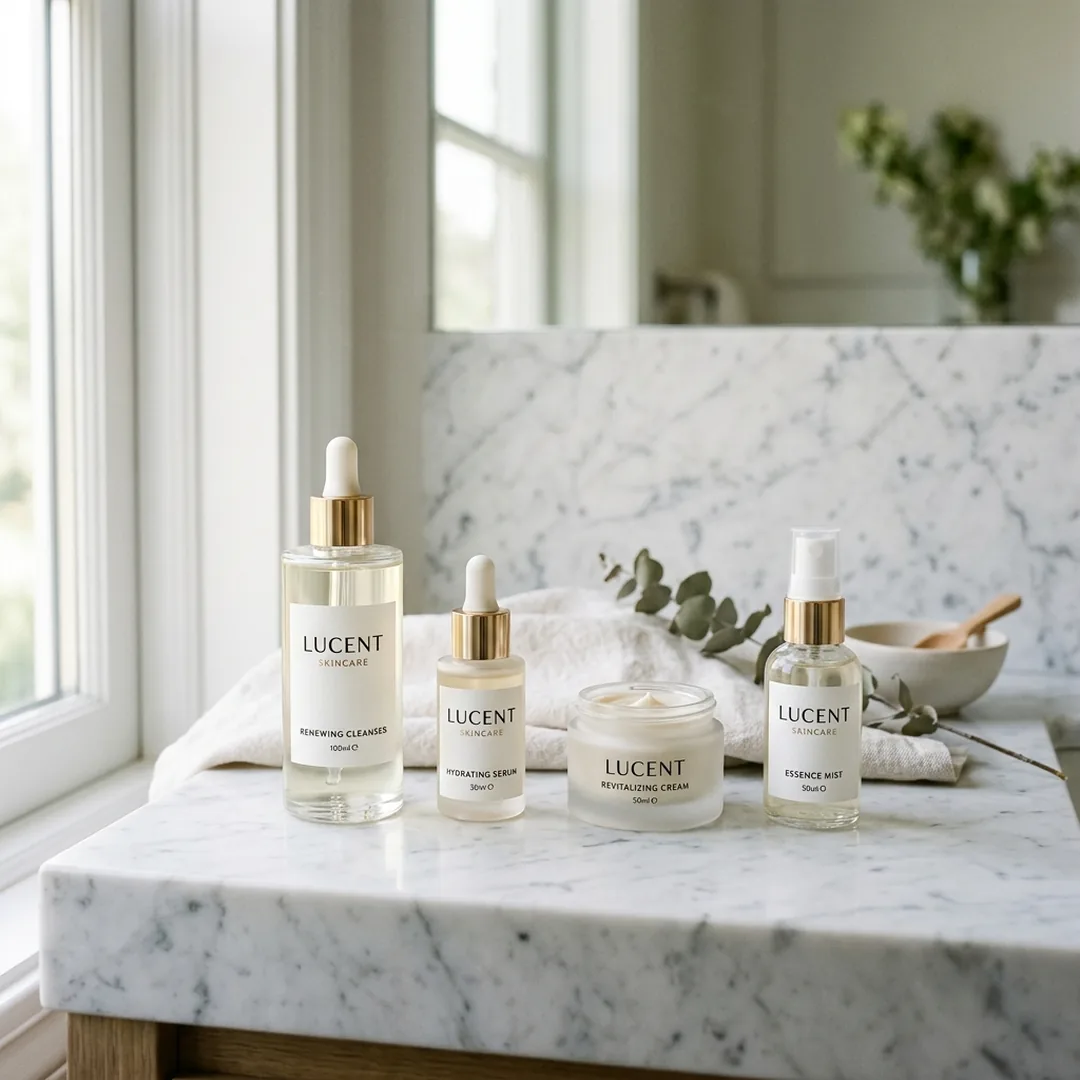
Starting a simple skincare routine for beginners can feel like stepping into a foreign country without a map. There are hundreds of products on the shelves, dozens of trending ingredients on social media, and everyone seems to have a different opinion on what you actually need.
Here's the truth: you don't need ten steps, a triple-digit budget, or a chemistry degree. According to dermatologists, a consistent three-step routine — cleanse, moisturize, and protect — is enough to dramatically improve the health and appearance of your skin. The secret isn't complexity. It's consistency.
Whether you're starting from scratch or trying to simplify an overcomplicated shelf, this guide walks you through everything — step by step, skin type by skin type — so you can build a routine that actually works for you.
Table of Contents
- Why a Skincare Routine Matters (Even If You Have "Good" Skin)
- Know Your Skin Type Before Buying Anything
- The 3-Step Simple Skincare Routine for Beginners
- Your Morning vs. Evening Skincare Routine (Broken Down)
- How to Layer Skincare Products in the Right Order
- When and How to Add Active Ingredients
- The 5 Most Common Skincare Mistakes Beginners Make
- Beginner Skincare on a Budget: What You Actually Need to Spend
- Skincare Ingredients to Avoid as a Beginner
- How Long Before You See Results?
- FAQ: Simple Skincare Routine for Beginners
- Key Takeaways
Why a Skincare Routine Matters (Even If You Have "Good" Skin)
Your skin is your body's largest organ, and it works hard every single day. It shields you from environmental pollution, UV rays, bacteria, and moisture loss. Without a basic routine to support it, the skin barrier gradually weakens — leading to dryness, breakouts, sensitivity, and premature signs of aging.
The good news? A simple, consistent routine is usually all it takes to keep your skin barrier strong, balanced, and healthy. Research published in Dermatologic Therapy found that sticking to a three-step daily routine produced a 67% improvement in skin hydration and a 45% reduction in visible fine lines within just eight weeks. That's real results from minimal effort.
So, whether your concern is acne, dryness, uneven tone, or just general skin health — the foundation is the same for everyone.
Know Your Skin Type Before Buying Anything
The single most common beginner mistake is buying products without understanding your skin type first. The wrong cleanser for your skin type can trigger breakouts. The wrong moisturizer can leave you greasy or flaky. Knowing your skin type saves you money and prevents frustration.
The 5 Main Skin Types
Oily skin tends to look shiny within a couple of hours of cleansing, has visibly larger pores, and is more prone to blackheads and pimples.
Dry skin often feels tight or rough, may flake after washing, and frequently looks dull or lackluster throughout the day.
Combination skin is oily in the T-zone — forehead, nose, and chin — but normal to dry on the cheeks and other areas.
Sensitive skin reacts easily to products, temperature changes, or environmental triggers. It may sting, itch, or turn red with certain ingredients like fragrance or alcohol.
Normal skin is the lucky middle ground — balanced, rarely reactive, and neither too oily nor too dry.
How to Identify Your Skin Type at Home
Gently wash your face with a mild cleanser and don't apply any products afterward. Wait 30 minutes, then assess how your skin looks and feels. If it's shiny all over, you're likely oily. If it feels tight or flaky, you're probably dry. A mix of shine in some areas and dryness in others points to combination skin. Redness or irritation suggests sensitivity.
The 3-Step Simple Skincare Routine for Beginners
You don't need to spend hours in the bathroom. A beginner skincare routine takes about five minutes in the morning and five minutes at night. Here are the only three steps you truly need to start.
Step 1: Cleanse — Give Your Skin a Clean Canvas
Cleansing removes the day's buildup — dirt, oil, sweat, makeup, and environmental pollutants that clog pores and dull your complexion. Every skincare routine begins here, morning and night.
How you cleanse matters just as much as what you use. Use lukewarm water (never hot), apply your cleanser with gentle circular motions, and pat your skin dry with a clean towel. Avoid rubbing harshly — it irritates the skin barrier and can lead to sensitivity over time.
What to look for based on skin type:
- Oily or acne-prone skin: a gel or foaming cleanser that removes excess sebum without stripping the skin.
- Dry or sensitive skin: a cream or lotion cleanser that cleans gently while preserving the skin's natural moisture.
- Combination skin: a gentle, balanced cleanser — look for words like "balancing" or "for all skin types" on the label.
Avoid cleansers with sulfates (like SLS or SLES) if you have sensitive or dry skin — they can strip natural oils and leave skin feeling tight and irritated.
Step 2: Moisturize — Hydration Is Non-Negotiable
Here's something a lot of beginners get wrong: moisturizer is not just for dry skin. Every skin type needs hydration to support the skin barrier and minimize water loss throughout the day. Even oily skin needs moisturizer — skipping it can cause your skin to overcompensate by producing even more oil.
Apply your moisturizer to slightly damp skin right after cleansing to lock in hydration effectively.
Choosing the right formula:
- Oily skin: a lightweight, oil-free gel or fluid moisturizer.
- Dry skin: a richer cream with ingredients like ceramides, hyaluronic acid, or squalane.
- Sensitive skin: a fragrance-free, minimal-ingredient formula to reduce irritation risk.
- Combination skin: a medium-weight lotion that balances hydration without clogging pores.
Step 3: Sunscreen — The Most Important Step You're Probably Skipping
Sunscreen is non-negotiable. UV damage is responsible for up to 80% of visible skin aging — not to mention the serious risk of skin cancer. You need broad-spectrum SPF 30 or higher every single morning, regardless of whether it's cloudy, whether you're indoors, or whether you're in a hurry.
UV rays can penetrate windows and clouds. If your skin sees light, it needs protection.
Apply about a nickel-sized amount to your face and neck as the final step of your morning routine. During extended sun exposure, reapply every two hours.
Mineral vs. chemical sunscreens: Mineral sunscreens (containing zinc oxide or titanium dioxide) sit on top of the skin and physically block UV rays. They're gentle enough for sensitive skin and don't require activation time. Chemical sunscreens absorb into the skin and convert UV rays into heat — they tend to feel lighter and blend more seamlessly, making them popular for everyday wear.
Your Morning vs. Evening Skincare Routine (Broken Down)
Your morning and evening routines have different jobs. The morning routine is about protection — shielding your skin from environmental stressors throughout the day. The evening routine is about repair — helping your skin recover and regenerate while you sleep.
Simple Morning Skincare Routine for Beginners
- Gentle cleanser.
- Moisturizer.
- Broad-spectrum SPF 30+ sunscreen.
That's it. Five minutes. Done.
Simple Evening Skincare Routine for Beginners
- Gentle cleanser (double cleanse with a cleansing balm first if you wear heavy makeup or sunscreen).
- Treatment serum (optional — add this only after your skin adjusts to the basics).
- Moisturizer (a slightly richer formula at night is totally fine).
Skip sunscreen at night — you don't need it while you sleep.
How to Layer Skincare Products in the Right Order
The order in which you apply your products genuinely matters. Applying them in the wrong sequence can reduce absorption and effectiveness.
The golden rule: thinnest to thickest. Water-based, lightweight products go first; creams and oils go last.
For a complete routine, follow this general order:
- Cleanser.
- Toner (optional).
- Serum or treatment (optional).
- Eye cream (optional).
- Moisturizer.
- Sunscreen (morning only).
Allow 30 to 60 seconds between each step so products can absorb properly before the next one goes on.
When and How to Add Active Ingredients
Once your basic three-step routine feels comfortable — usually after four to six weeks — you can start thinking about adding active ingredients to target specific concerns like acne, dark spots, or fine lines.
But here's the rule: introduce one new product at a time. Adding multiple actives at once makes it impossible to identify which product is causing a reaction if something goes wrong.
Popular Beginner-Friendly Actives
Niacinamide is a multi-tasking ingredient that helps reduce pore appearance, fade dark spots, and calm inflammation. It's gentle enough for most skin types and pairs well with almost everything.
Hyaluronic acid draws moisture into the skin and is suitable for all skin types, including oily skin. Apply it to damp skin for maximum effect.
Vitamin C is a powerful antioxidant that brightens the complexion, evens out skin tone, and supports collagen production. Use it in the morning, under your SPF.
Retinol is one of the most well-researched anti-aging ingredients available, proven to improve skin texture, reduce fine lines, and boost cell turnover. Start with a low concentration (0.025%–0.1%) a couple of nights per week and gradually increase frequency as your skin adjusts.
AHAs and BHAs are chemical exfoliants that remove dead skin cells, unclog pores, and improve skin texture. Use them once or twice a week at night — not every day.
The 5 Most Common Skincare Mistakes Beginners Make
Even with the best intentions, beginners often fall into traps that undermine their results. Here are the most common ones — and how to avoid them.
Over-cleansing. Washing your face more than twice a day strips the skin's natural oils, weakens the barrier, and can paradoxically lead to more breakouts. Stick to morning and night.
Skipping moisturizer if you have oily skin. Oily skin still needs hydration. When your skin feels stripped, it produces more oil to compensate — making the problem worse.
Using too many products at once. The biggest beginner trap. More products mean more chances for irritation and more difficulty identifying what's working. Start simple, build slowly.
Skipping sunscreen on cloudy days. UV rays don't take days off. Clouds block sunlight but not UV radiation. Make SPF part of your daily habit, full stop.
Expecting overnight results. Skincare is a marathon, not a sprint. Clinical research shows that most people need eight to twelve weeks of consistent use before seeing meaningful improvements. Give your routine time before deciding it isn't working.
Beginner Skincare on a Budget: What You Actually Need to Spend
Great skin doesn't require expensive products. Drugstore and pharmacy brands offer dermatologist-recommended formulas at a fraction of the cost of luxury alternatives. Here's roughly what a complete beginner routine might cost:
- A gentle cleanser: $8–$18.
- A moisturizer: $10–$25.
- A broad-spectrum SPF 30+ sunscreen: $10–$20.
Total starting investment: under $65. That's it. You can always build and upgrade over time, but there's no need to spend more than this to get real, visible results.
Skincare Ingredients to Avoid as a Beginner
When you're just starting out, your goal is to keep things calm and controlled. Certain ingredients are more likely to cause reactions in beginners, so it's best to approach them with caution or avoid them initially:
Fragrance — the most common cause of skin irritation and allergic reactions. Look for "fragrance-free" (not just "unscented") products when possible.
Alcohol (denatured) — often used in toners and mattifying products, it can strip the skin barrier and cause dryness over time.
Harsh physical scrubs — rough exfoliants with large particles can cause micro-tears in the skin. If you want to exfoliate, opt for a gentle chemical exfoliant (AHA or BHA) instead.
Multiple strong actives at once — combining retinol, acids, and vitamin C in your routine without building up slowly is a fast track to irritation and redness.
How Long Before You See Results?
This is one of the most frequently asked questions from beginners, and the honest answer is: it depends.
For basic improvements in hydration and texture, you may notice a difference in two to four weeks of consistent use. For more significant changes — like reduced breakouts, fading of dark spots, or smoother skin — expect to give it eight to twelve weeks minimum.
The key word there is consistent. Skipping days or changing products too frequently resets your skin's progress. Pick a routine, stick to it, and trust the process.
Frequently Asked Questions (FAQ)
Q1: What is the most basic skincare routine for a beginner?
A: The most basic routine consists of three steps: a gentle cleanser, a moisturizer suited to your skin type, and a broad-spectrum SPF 30 or higher sunscreen every morning. In the evening, cleanse and moisturize — no sunscreen needed. These three products form the foundation of healthy skin for any beginner.
Q2: In what order should I apply skincare products?
A: Apply products from thinnest to thickest consistency. Start with cleanser, then toner (if using), followed by serums, eye cream (if using), moisturizer, and sunscreen as the last step in the morning. Allow 30–60 seconds between each layer for proper absorption.
Q3: How long does a beginner skincare routine take?
A: A simple beginner routine takes about five minutes in the morning and five minutes at night. It doesn't need to be complicated or time-consuming to be effective. Consistency matters far more than complexity.
Q4: Can I skip sunscreen if I'm mostly indoors?
A: No. UV rays — particularly UVA rays — penetrate windows and can cause cumulative skin damage even when you're indoors. Dermatologists recommend wearing SPF 30+ every morning as a non-negotiable step, regardless of your plans for the day.
Building a simple skincare routine for beginners doesn't have to be overwhelming. Start with the basics — cleanse, moisturize, and protect. Learn your skin type, choose gentle products, and commit to using them consistently.
Skip the ten-step routines and the marketing hype. Real skin transformation comes from showing up every day with a few well-chosen products and giving them time to work. Your skin is worth that five minutes, morning and night.
Once the foundation feels solid, you can thoughtfully layer in active ingredients to address your specific concerns. But for now? Three steps is more than enough to get started — and to start seeing real results.

Elina is a TrendRouge fashion and lifestyle writer focused on timeless style, beauty routines, accessories, and everyday elegance. Her guides combine practical styling advice with polished editorial insight for modern readers.